culture
Castello, Cagliari
Historic hilltop quarter at the centre of a culture-and-food day in Cagliari.
culturecitywalk

A practical place layer for the trip: beaches, towns, culture and departure points. Save favourites on this device, then use them while planning.
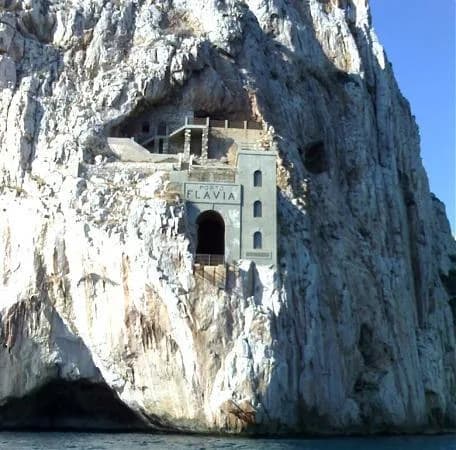
A former cliffside mineral-loading facility facing the sea stack of Pan di Zucchero.
Historic hilltop quarter at the centre of a culture-and-food day in Cagliari.
Cagliari’s long urban beach, easy to combine with a city evening.
Archaeological site on the coast near Pula, suited to a culture-and-sea day.
Relaxed south-coast town and useful base for Nora and nearby beaches.
Central restaurant-and-evening district close to the port and historic centre.
Wetlands and former saltworks between Cagliari and Quartu, with important waterbird habitats.
A limestone headland with trails and views across Poetto and the Gulf of Cagliari.
A sanctuary and basilica on Cagliari’s Bonaria hill, overlooking the waterfront.
Cagliari’s hilltop museum complex brings together archaeology, painting and other collections.
A village of murals, orchards and the artistic legacy of Pinuccio Sciola.
A broad sandy beach backed by dunes in Chia, with a small offshore islet.
A sandy bay facing an islet between Capo Malfatano and Capo Spartivento.
A south-western coastal landscape of pale sand, dunes, pinewoods and lagoons.
An island town with Phoenician-Punic archaeology and a basilica above ancient catacombs.
San Pietro’s harbour town preserves Tabarchino language and distinctive tuna-based food traditions.
A whitewashed harbour town at the northern end of Sant’Antioco island.
A former cliffside mineral-loading facility facing the sea stack of Pan di Zucchero.
Mining heritage and a coastal outlook above the ruins of the Lamarmora ore washery.
A historic mining town with medieval streets and the cathedral of Santa Chiara.
A hilltop Phoenician-Punic settlement overlooking the Sulcis landscape near Carbonia.
Former mine buildings in Carbonia tell the story of coal extraction and miners’ lives.
Limestone caves near Santadi known for intricate aragonite formations.
A Roman sanctuary with earlier Punic roots in a valley near Fluminimaggiore.
An open Costa Verde beach bordered by an extensive system of wind-shaped dunes.
A former mining settlement with industrial buildings in the hills around Guspini and Arbus.